Fireworks went on sale June 23rd. Here is some guidance on what fireworks are and are not allowed in Hillsboro. For additional information, visit the City of Hillsboro’s website.
Please note that damage to HOA property can be charged back to property owners.
The HOA’s sprinkler system is partially operational due to tree roots obstructing some heads. An audit is underway to track maintenance and improve efficiency.
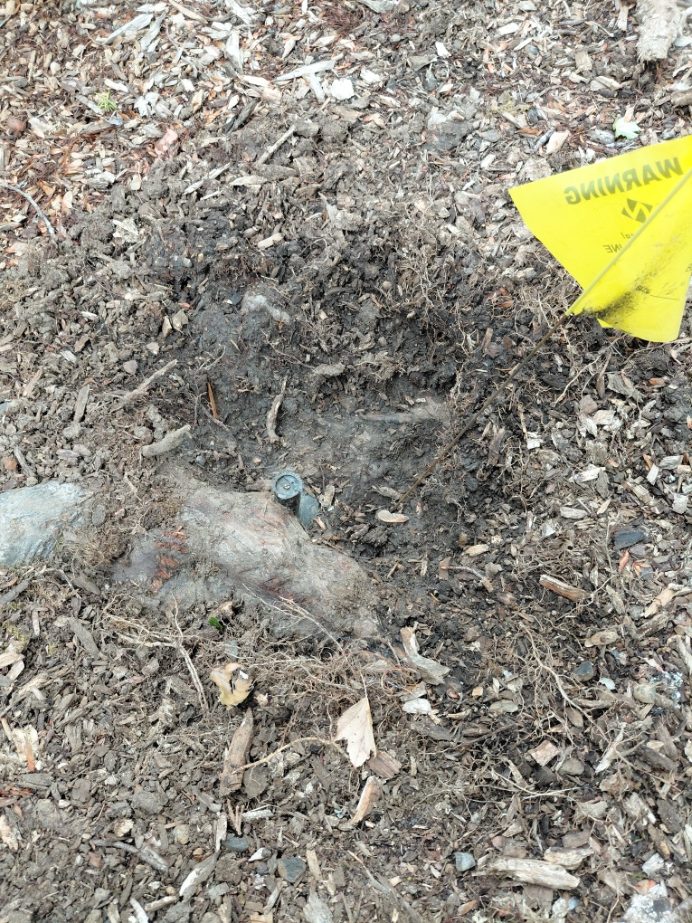
As many of you know, the sprinkler system was turned on in late May. You may have noticed that only certain sections are currently running. This is intentional. Several sprinkler zones cannot be activated because tree roots have grown around sprinkler heads causing major leaks. Cutting the roots is time‑consuming and must be done methodically to avoid damaging the system.
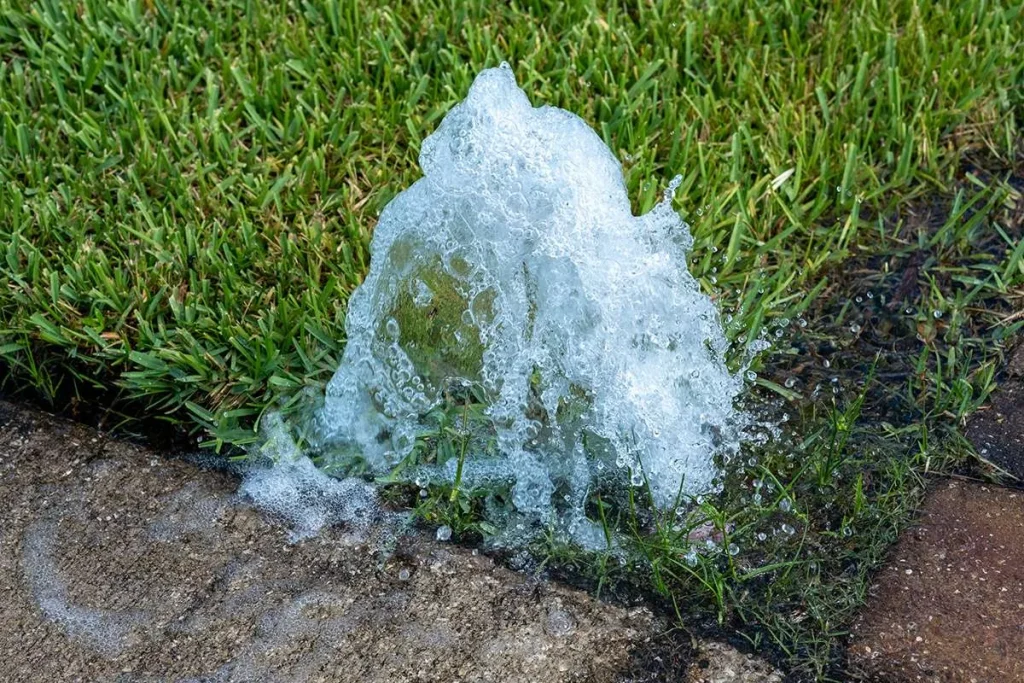
Over the past year, a board member has already replaced 30 sprinkler bodies and 106 nozzles to reduce leaks and improve water accuracy and efficiency. Over a dozen of these components were failing so badly that they were gushing water. Many more still need attention. If the HOA hired our landscaping company to replace every broken head and nozzle, the cost would easily reach several thousand dollars.
At the same time, the board member is conducting a full audit of the irrigation system. This includes documenting:
The number of sprinkler heads in each zone
The number of sprinkler heads turned off in each zone
The location of each zone
Which controller operates each zone
When each zone runs and for how long
Additional details needed for long‑term maintenance
This information will allow the HOA to quickly isolate and repair zones with broken heads while keeping other zones operational. It will also help us water new (and old) plants efficiently in the future, protecting any landscaping investments the community makes. For instance, grass needs more water than established plants such as trees and bushes and this information will help us target our water efficiently.
We have a $10,000 budget for watering our property during the summer. We anticipate these fixes and improvements can keep our plants healthy and thriving, but it takes a significant amount of time and work.
If you would like to help with this project, please email the board. Work typically occurs on Mondays and/or Tuesdays.
Why this project now?
The irrigation system is over 20 years old and needs significant maintenance. With increasing water prices and a limited budget, it is imperative to have an optimized irrigation system. The reserves study estimates repairs to the system would cost $72,029 in 2027. With other projects such as gutters and fascia painting needed, whole scale irrigation renovation is not within the budget.
Goals for the project
Replace leaking or broken sprinkler bodies
Replace leaking or broken sprinkler nozzles
Accurately aim all sprinkler nozzles to grass or shrubs
Turn off all sprinkler nozzles that are not watering grass or shrubs
Water all grass zones 5 minutes every three days
Water some flower beds 2 minutes every four days
Audit the entire system (see information above)
NOTE: A quick note about the front lawns of homes. The soil in the front lawns of most of the homes is poor. Just inches underneath the soil are rocks and various construction material left over from the builder. As a result, without constant watering the grass will brown and go into hibernation as the sun heats up the rocks.
In the future, the board would like to explore removing several inches of the rocky soil and replace it with healthy soil and reseed. In other areas we would transition to drought tolerant, pollinator friendly, native plants. Here are some examples. Once established, these plants require minimal watering. In addition, by removing grass the Hillsboro Water department will pay for 50% of project costs, up to $2,500 of approved plans.
Single Line Tree Care is expected to finish the project a day early.
Tree trimming work has moved faster than expected and Single Line Tree Care is expected to finish a day early. As a result, we need vehicles in the northwest guest parking location to be moved by Friday, 5/29/26, at 8 AM to facilitate the trimming of the large oak on the corner.
A final walk through will be performed with the company on Saturday morning. If you see a branch that is within 3 feet of a home or within 10 feet of a roof, please contact the Board of Directors with the location of the issue and preferably a picture.
The sprinkler system has been turned on for the summer; please watch out for leaks and broken sprinkler heads.
The sprinkler system was turned on in late May for the summer. As everything comes back online, we may see a few leaks or broken sprinkler heads.
If you notice anything unusual—water pooling, spraying in the wrong direction, or a head not popping up—please send an e-mail to robinmeadowshoa@gmail.com with the location, a description of the issue, and a picture of the issue.
We’re working within a $10,000 irrigation budget, so catching issues early helps us stay on track and reduce water waste.
Board members will continue the audit of the sprinkler system that was started in the summer of 2025 to make sure we are using our water wisely and effectively. Two large water leaks were found and fixed last summer with the fixes preventing thousands of dollars of wasted water.
Oregon white oak tree health report for May of 2026.
Part of our agreement with Single Line Tree Care was not only to trim branches away from homes and roofs, but to evaluate the health of the trees in our community. Single Line Tree Care, along with the other four companies that provided bids, commented on the good health of the trees in the neighborhood.
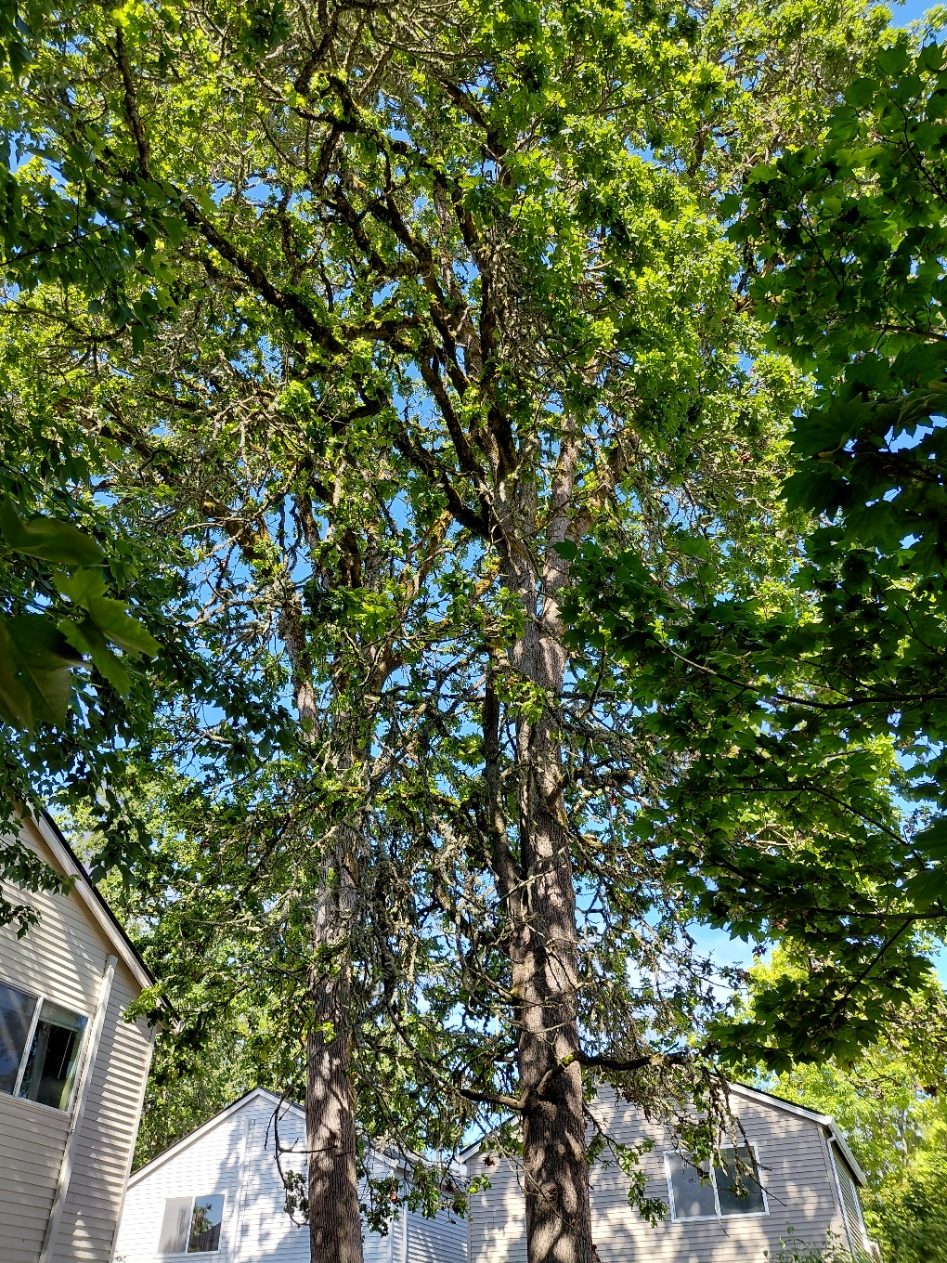
The large Oregon white oaks in the southwest corner of the property were given extra attention by David D. Hunter, an ISA certified arborist and ISA qualified tree risk assessor, as Oregon white oaks are the same species of tree that fell in the southeast corner of the property in March.
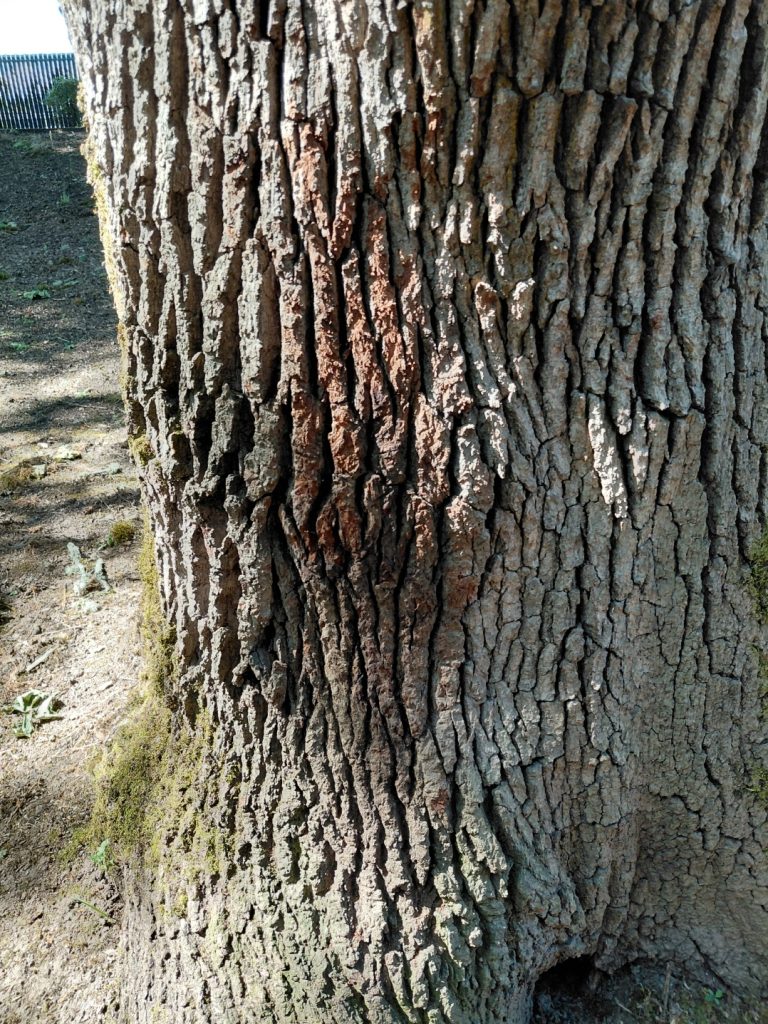
Hunter found no reason to cutdown any of the Oregon white oaks, but fungus (which was dead, see image below) was found on the white oak closest to 3087’s door. We need help from the community to monitor the fungus. If it comes back, the tree may need to be cut down.
Dead fungus found on Oregon white oak
When you are walking in the neighborhood or working in your yard please take a look at the trees in the area and if an issue is seen, please send an e-mail to the board. Catching an issue early could save a tree and/or prevent property damage.
Below are some tips to identify issues with Oregon white oaks.
Fungal growth at the base
Canopy dying
Peeling bark
The following are the notes made by Mr. Hunter who assessed the Oregon white oaks in the southwest corner of the property on May 14, 2026.
Two white oaks near 3151 #1 – white oak, back right corner. Tree was tested and probed – no issues, but needs to be monitored for significant die off over the years.
#2 – white oak, back center of house. Tree was tested and probed – no issues, but needs to be monitored for significant die off over the years.
Three white oaks on the side of 3084 #1 – white oak by mailbox cluster. Tree was tested and probed – no issues, but needs to be monitored for significant die off over the years.
#2 – white oak, small one in the middle. Tree was tested and probed – no issues, but needs to be monitored for significant die off over the years.
#3 – white oak near guest parking location. Tree was tested and probed – no issues, but needs to be monitored for significant die off over the years.
Cluster of white oaks near 3087 Three stem white oak near front door – This tree is the most concerning. Found wood rotting fungus on the bottom, but was dead. Tree was probed, went in about a foot and found no indication of rotting. Needs to be monitored for fungus and significant die off over the years.
All of the other white oaks were checked in the surrounding area and had no concerns except for large dead for safety above walking trail and school parking lot. Trees are healthy.
In the fall, need to check the base of the trees for fungus or mushrooms. Wood chips need to be 3-4 feet off the trunks of the trees as they can promote fungus growth and can hold water which can lead to root rotting.
Single Line Tree Care will be on-site May 27-30 for extensive tree work on the property. Vehicles will need to be moved to facilitate the work.
Single Line Tree Care will be on-site May 27–30, 2026, to perform extensive tree trimming throughout the community. Work is scheduled to take place between 8 AM and 4 PM each day.
To complete this work, crews may need access to backyards, driveways, guest parking, and all sides of homes. Please ensure that back gates are unlocked to allow entry to clean debris and branches.
In preparation, we ask that residents please:
Close all windows, doors, and garage doors
Secure or bring in pets
Move any temporary awnings in backyards
Remove or secure personal belongings from the work areas
Clear items away from the perimeter of your home
Store trash and recycling containers inside your garage (do not leave them in driveways or between homes)
Move any vehicles in the designated area(s) on the designated date according to the map below
These steps will help ensure the work is completed safely and efficiently.
Please note that work may move faster than expected and someone may knock on a door to move a vehicle.
On May 27, the work will begin in the southwest corner of the property, indicated in red on the map below. On the second day, May 28 (indicated in purple), the work will be in the south/southeastern part of the property. On day three, May 30, the work (indicated in brown), will be in the central and eastern part of the property. On the fourth day, May 30 (as indicated in blue), the work will be in the north part of the property.
With the roofs being replaced in 2025 it is important to protect our investment. Roofing professionals consistently highlight two key practices for extending the life of a roof: keeping debris off shingles and regularly trimming back overhanging tree branches.
Trimming branches back prevents pests such as squirrels from getting on the roof and possibly in the attic.
Trimming branches back results in less debris in gutters allowing the gutters to do its job.
In March of 2026 a large white oak fell in the southeast corner of the property, Fortunately, no one was injured nor any property was damaged, but it was a wake-up call that it is time to have a professional evaluate the trees in our community.
Goals for the project
Trim branches that are within 4-6 feet of buildings and roofs
Trim branches that are within 10 feet above roofs
Trim branches that are lower than 8 feet over walkways
Trim branches that are lower than 14 feet over roadways
Have an ISA professional evaluate the health of all trees in the community
Develop a sustainable budget and 20-year plan to take care of the trees on the property. (The 2025 reserve study has just $3,269 allocated in 2029 which is woefully under budgeted.)
Trees in backyards
As a reminder, trees located in backyards are the responsibility of individual homeowners to maintain. To help protect your roof, siding, gutters, and fencing, the recommended clearance is 3 to 8 feet between tree branches and your home’s structure and 10 feet above roofs. The HOA is not responsible for any exterior damage caused by untrimmed trees in a homeowner’s backyard. A homeowner’s backyard is not a common area and therefore not the responsibility of the HOA.
If the HOA observes trees affecting the exterior of the home, but is not in a common area, a letter will be sent to the homeowner to take care of the trimming of the tree. If there is no action, the board will hire a company to trim the tree(s) and charge the homeowner’s account for the work.
If you’re unsure how to proceed or need assistance, we encourage you to connect with neighbors or contact the board.